
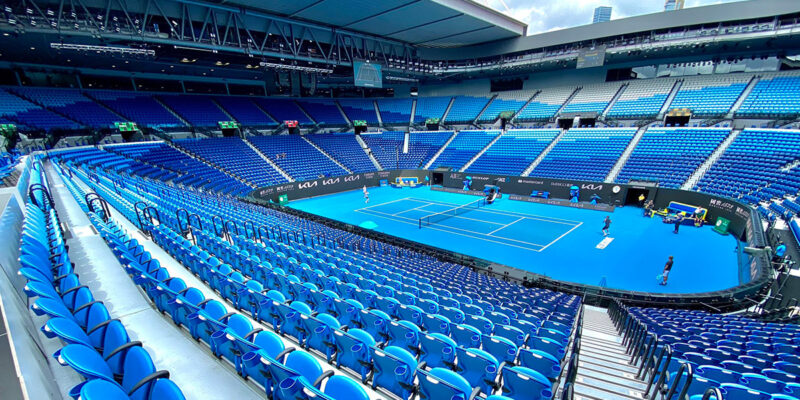
For decades, the Australian Open has been one of the most highly anticipated events on the national calendar. But in 2026, the excitement and attention surrounding the tournament seems to have reached fever pitch.
So, what is it about the Australian Open that is now generating so much interest across socials and mainstream media?
More than just the sport
Whoever is running PR for the Australian Open is playing a very long game, and doing it with remarkable precision. They are thinking several sets ahead, not just chasing a quick winner. This is no longer just a tennis tournament. It is a full scale cultural festival, and the way it is pitched, framed and fed to the media ensures it dominates headlines well beyond what is happening on centre court.
Yes, there is the sport. But that is only one part of the rally, and it is far from a one shot point.
Alongside match results and player drama, there are fashion stories about what athletes are wearing and which celebrities are sitting courtside. Food and drink stories from the tournament spotlight celebrity chefs, pop up bars, brand collaborations and what everyone is eating and drinking at Melbourne Park (and how much that costs).
There is lifestyle coverage positioning the Open as a must-attend social calendar event, not just a sporting one, alongside stories about travel, and how to do the Australian Open properly. And threaded through all of it is very deliberate Melbourne tourism PR, from laneway dining and hotel stays to arts, culture and summer events across the city.
Even the tennis commentators are in on the act, talking up Melbourne as a city between points, using the broadcast as another channel to keep the narrative in play. The restaurants. The culture. The weather. The vibe. It is subtle, but it is constant, and it reinforces the same message over and over again: this is a world-class event in a world-class city.
Serving an ace in media strategy
From a media strategy perspective, this is where the Australian Open really serves an ace, placing the ball exactly where the media wants it.
There are only so many matches that can be played in a day, but the media output far exceeds that, turning a finite schedule into an almost endless match. Through clever pitching and tight alignment with journalists, PRs have helped create far more stories than there are balls in play, including profiles of emerging players, nostalgia-driven pieces about iconic matches, explainers on new rules and technology, celebrity spotting, spotlights on ballkids, brand partnerships, player fitness tips, and behind-the-scenes access that makes audiences feel like insiders.
The result is sustained coverage, day after day, without the tournament feeling repetitive or overplayed. It is a long rally, carefully managed so fatigue never sets in. Importantly, it also drives engagement for media outlets. Different story angles appeal to different audiences, from hardcore sports fans to food lovers, fashion followers, tourists and casual readers, giving publishers a reason to keep serving up fresh coverage every day. Each story feels like a fresh shot, even though it is reinforcing the same core message.
Playing the long game
This is also a reminder that great PR is rarely about smashing one big announcement over the net and hoping it lands in. It is about placement, patience and playing the percentages. When an event is backed by taxpayer funding as the Australian Open is, the narrative has to extend well beyond elite sport. It needs to justify investment by showing impact across tourism, hospitality, culture, jobs and global reputation. It is about consistency.
Media outlets are incentivised to maintain a wide variety of stories because the Australian Open consistently performs, rewarding freshness, diversity of angles and daily reinvention with strong readership and attention. That is how it has become more than tennis. It has become a cultural moment.
The lesson for brands and organisations is simple: If you want longevity in the media, you need more than one angle. You need a full draw of stories ready to go. Sport, lifestyle, culture, place, people. All working together.
Because when PR is done this well, you are not just winning points. You are winning the match, in straight sets.